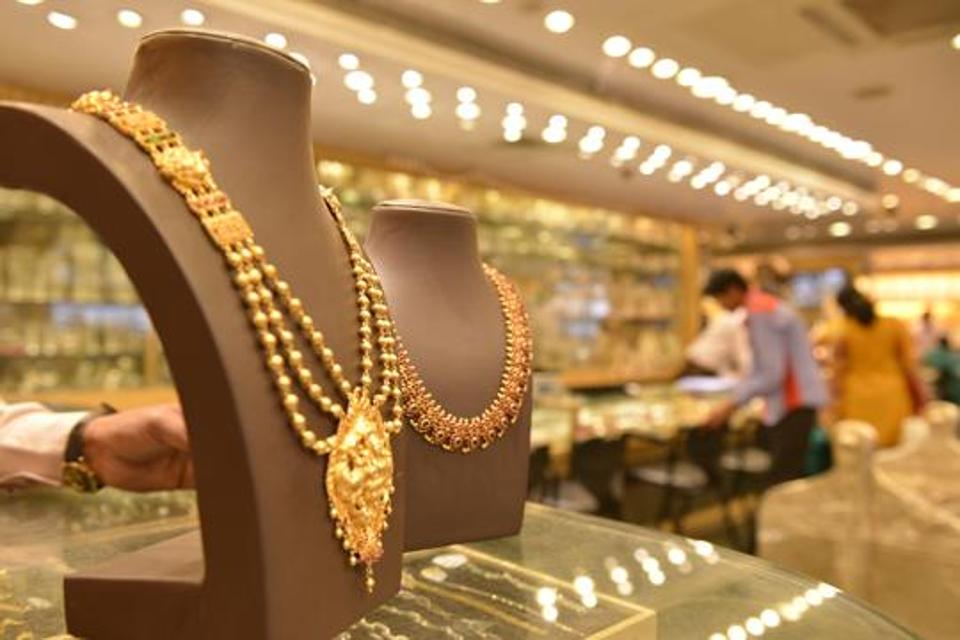

The Jewellery Market of India: A Shining Industry
India has always been known for its love of jewellery. From ancient times to modern days, Indians have worn jewellery not just as an ornament but as a symbol of tradition, culture, and wealth. Today, the jewellery market in India is one of the biggest in the world, and it continues to grow every year.
A Rich History
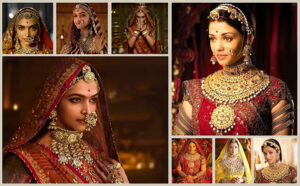
Jewellery has been a part of Indian culture for thousands of years. Gold, silver, and precious stones have always held a special place in Indian society. In olden days, kings and queens wore heavy and beautiful jewellery, often made by skilled craftsmen. Even today, many of those traditional designs are still popular and in demand.
A Big and Growing Market
India is the second-largest consumer of gold in the world, after China. People buy jewellery not only for fashion but also as an investment. Gold and diamonds are seen as a way to save money for the future. Every year, during festivals like Diwali, Akshaya Tritiya, and during the wedding season, jewellery sales rise sharply.
The Indian jewellery market is worth billions of dollars and provides jobs to millions of people, from miners and designers to shop owners and craftsmen. With the rise of the middle class and online shopping, the market is expected to grow even more in the coming years.
Types of Jewellery
The Indian jewellery market offers a wide variety of styles. Some of the most popular types include:
Gold Jewellery: The most common and loved type. Many families consider gold as a sign of prosperity

Diamond Jewellery: Gaining popularity among the younger generation, especially for engagement and wedding rings.
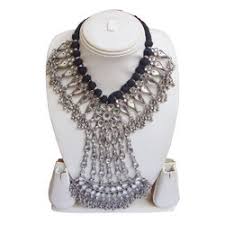
Silver Jewellery: Cheaper than gold, silver jewellery is trendy and often worn daily.
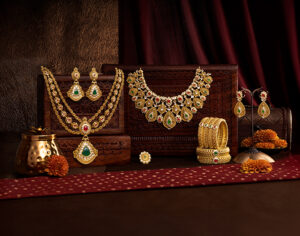
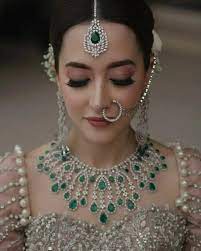
Kundan and Polki: Traditional styles, often worn at weddings and festivals.
Temple Jewellery: Originating from South India, this type of jewellery is inspired by gods and goddesses.
Changes in the Industry
In recent years, the jewellery industry in India has seen many changes. Branded jewellery stores like Tanishq, Malabar Gold, and Kalyan Jewellers are becoming more popular. These stores offer certified and hallmarked jewellery, which assures customers of quality and purity.
Online jewellery shopping is also growing. Websites and apps allow customers to choose from many designs, compare prices, and even try jewellery virtually using AR (augmented reality). This has made buying jewellery more convenient and transparent.
Challenges and the Future
Although the market is growing, it also faces challenges like high import duties on gold, strict government rules, and competition from international brands. But still, the future looks bright. As people’s incomes rise and tastes change, the demand for both traditional and modern jewellery is likely to increase.
Conclusion
The jewellery market of India is a blend of tradition and modernity. It is not just about beauty, but also about culture, emotion, and investment. With changing times, the market is adapting and shining brighter than ever.